Nigerian Basketball: A Nation Drowning in Its Own Filth
Corruption isn't killing Nigerian basketball slowly. It's bleeding it dry deliberately, and everyone involved knows exactly what they're doing.
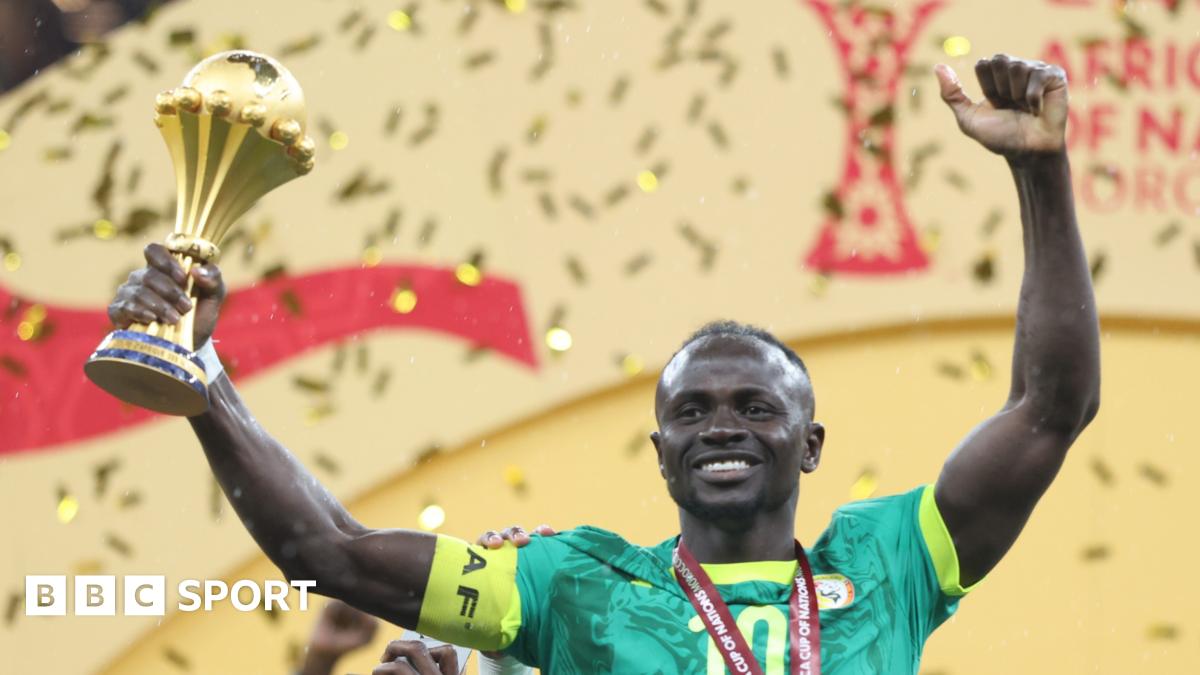
-August 2025, Nigeria's D'Tigress celebrate their fifth straight FIBA Women's AfroBasket title. President Tinubu throws money at them;$100,000 per player, apartments, medals. Good optics. Great headlines.
Weeks earlier, these same champions were locked out of the Olympic opening ceremony in Paris like street beggars because some bureaucrat couldn't organize a boat ride. That morning, they missed practice entirely.
This isn't a paradox. This is corruption distilled to its purest form: reward the winners publicly while the system that should support them rots from the inside out. Nigerian basketball isn't declining, it's being actively looted, deliberately destroyed by the parasites who've embedded themselves in its governing structures.
THE FEDERATION: A CRIMINAL ENTERPRISE MASQUERADING AS SPORTS ADMINISTRATION
Let's call the Nigeria Basketball Federation what it really is: an organized theft ring with FIBA accreditation.
In 2017, this joke of an organization managed to elect two rival presidents simultaneously; Musa Kida and Tijani Umar. Not surprising in a country where incompetence and corruption breed like rats in a sewer. For years, these factions fought in courts while basketball withered. Nobody gave a damn about the sport. The fight was about control of money, access and power.
MAY 2022: President Buhari, in a rare moment of clarity, banned Nigerian teams from international competition for two years. Why? Because the federation had become an embarrassment even by Nigerian standards—an "endless crisis" he called it. FIBA forced a reversal six weeks later, but the damage was done. D'Tigress forfeited their 2022 World Cup spot despite being African champions.
Let that sink in: African champions blocked from competing globally because administrators were too busy stealing and fighting to do their jobs.
The 2024 Olympic debacle wasn't an accident—it was standard operating procedure. When institutional rot reaches this depth, denying your own athletes boat access at the Olympics becomes normal. The corruption is so normalized that incompetence is the expected outcome.
PAY-TO-PLAY: THE BRIBERY MACHINE
Here's how corrupt Nigerian basketball has become: athletes literally pay bribes to represent their country.
You read that correctly. Players must *pay* officials for the "privilege" of being selected for national teams. Talent means nothing. Merit is a joke. Your bank account determines your jersey.
In 2024, Super Eagles attacker Chinedu Obasi revealed he was extorted for $10,000 to make Nigeria's 2014 World Cup squad. This isn't basketball, but it exposes the systemic disease infecting all Nigerian sports. Basketball players report identical shakedowns cash for selection, connections over competence.
Selection processes are rigged from top to bottom. Coaches take bribes. Officials collect kickbacks. Federation members pocket whatever isn't nailed down. Money meant for facilities, training, athlete welfare? Embezzled. Vanished. Stolen by men in suits who've never picked up a basketball in their lives but have mastered the art of theft. ( Some really have actually played).
The 2020 National Sports Industry Policy documented it clearly: gross inefficiency, nepotism, abuse of power, declining investments. Academic research from Loughborough University confirmed what everyone already knew government corruption has metastasized into sports administration.
This is theft at industrial scale, and nobody goes to jail.
INFRASTRUCTURE: THE GRAVEYARDS WHERE DREAMS DIE
Since 2017, Nigeria has operated without a functional domestic league. Eight years. No professional basketball league in a country of 230 million people.
Players who somehow make it onto teams face irregular salaries, when they're paid at all. No health insurance. Training in facilities with broken equipment, unreliable power, and courts so dangerous they guarantee injuries.
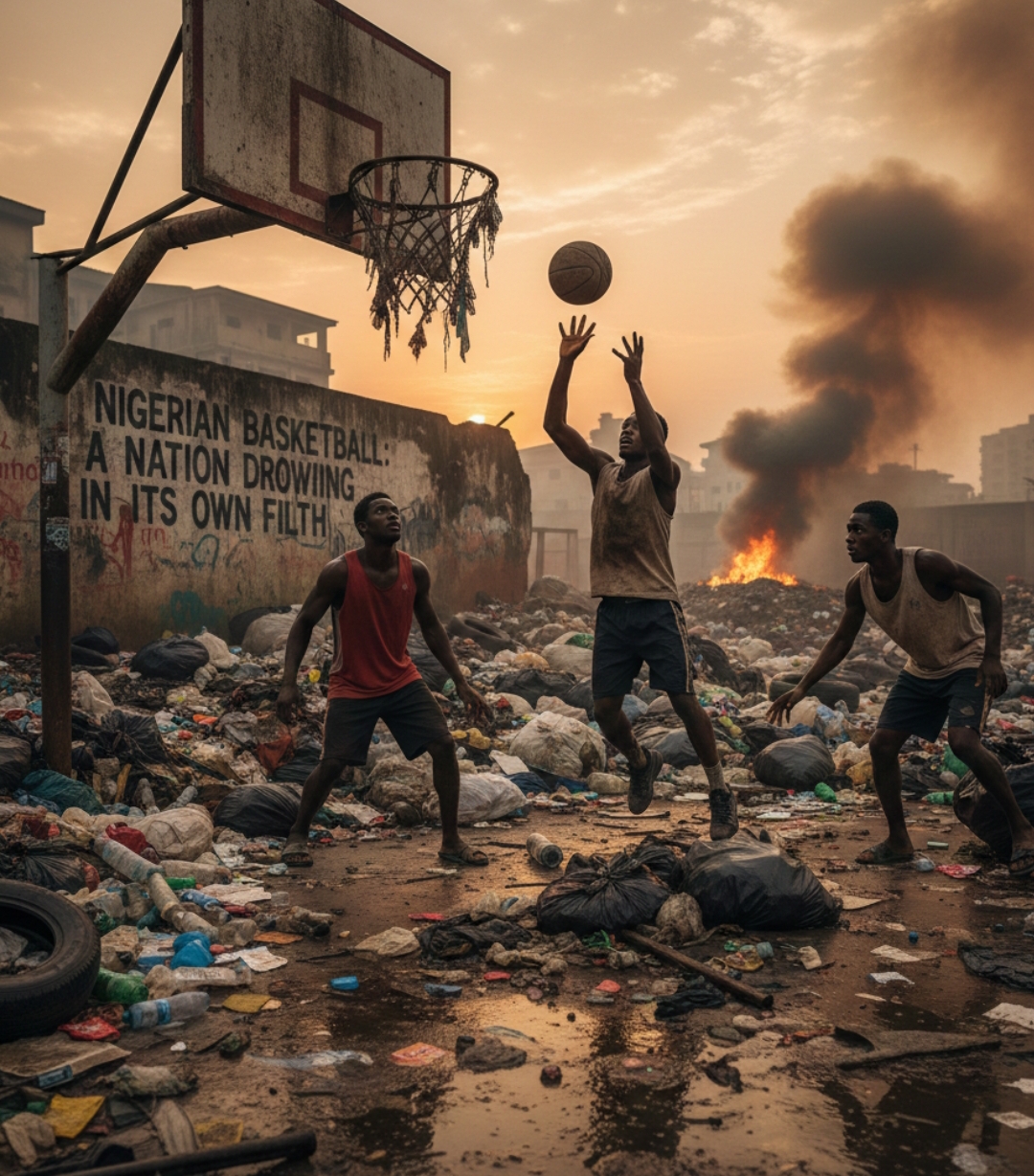
Most school basketball courts and even state indoors courts have been converted into parking lots and event centres. Rural areas make do with dirt patches and broken hoops. Urban playgrounds are abandoned wastelands. The infrastructure isn't deteriorating, it's been deliberately neglected because there's no money to steal from maintaining basketball courts.
Compare this to Angola, Rwanda, South Sudan, Cape Verde; countries with a fraction of Nigeria's resources but functional leagues and growing programs. They invest in basketball because they see its potential. Nigeria's leadership sees only opportunities for embezzlement.
The contrast is damning: Nigeria produces extraordinary talent that immediately flees abroad because staying means career suicide. Hakeem Olajuwon, Precious Achiuwa, Josh Okogie—they succeeded by *escaping* the Nigerian system, not because of it.
THE MONEY TRAIL: FOLLOW THE THIEVES
Where does the money go?
In 2017, Kwese Sports signed a landmark $12 million, five-year sponsorship deal with Nigerian basketball. Corporate investment. Private sector support. Exactly what the sport needed.
That partnership is effectively dead now. Why would any legitimate business invest in a system this corrupt? Every naira disappears into the pockets of federation officials, government appointees, and the network of thieves who've turned sports administration into organized crime.
Sports club chairmen openly cite "corruption among those in positions of authority" as their reason for withdrawing support. One called Nigerian basketball "a sinking ship." He's not wrong. When corruption becomes so blatant that businesses flee despite enormous market potential, you know the rot has reached terminal stages.
The Federal Government promises to modernize infrastructure through public-private partnerships. Anyone who believes this hasn't been paying attention. "Public-private partnership" in Nigeria means "new opportunities for kickbacks." Until officials face consequences—jail time, asset seizures, public humiliation—nothing will change.
D'TIGRESS: WINNING WHILE THEIR FEDERATION ACTIVELY SABOTAGES THEM
The women's team's success isn't inspirational, it's an indictment.
D'Tigress has won seven AfroBasket titles, five consecutively. They're the first African basketball team to reach Olympic quarterfinals. They beat expectations repeatedly while their own federation treats them like inconveniences.
These women win despite being denied ceremony access. Despite missing practices. Despite inadequate facilities. Despite administrators who view them as photo opportunities rather than athletes requiring support.
Coach Rena Wakama has achieved miracles with a roster that succeeds through sheer determination while navigating administrative warfare. But here's the question nobody wants to answer: How many more championships could they have won with competent leadership? How many players never made it because they couldn't afford the bribes or lacked the right connections?
Boston Celtics coach Ime Udoka, himself of Nigerian descent, stated bluntly that Nigerian basketball leadership "continues to hold back the sport's bright future." During the 2022 ban, D'Tigers posted on social media hoping Nigeria would "someday be led by a government without corruption and greed."
That day isn't coming. Not without consequences for the thieves.
THE BRUTAL TRUTH: THIS IS THEFT, NOT MISMANAGEMENT
Let's abandon the polite language. Nigerian basketball isn't suffering from "governance challenges" or "administrative issues." These are euphemisms designed to obscure reality.
Nigerian basketball is being systematically looted by criminals who face zero accountability. Federation officials embezzle with impunity. Government appointees extract bribes openly. Selection processes are auctions. Infrastructure money evaporates. Sponsorship deals collapse because corporate partners realize they're funding theft, not sports development.
Sports sociologist Tolu Ogundeji describes a "total collapse of sporting culture" in Nigeria. But collapse suggests failure. This is intentional destruction—corruption so embedded that the system functions exactly as designed: to transfer resources from athletes and programs into the pockets of connected officials.
WHAT NEEDS TO HAPPEN (BUT WON'T)
Reforming Nigerian basketball requires actions no one in power wants to take:
Criminal prosecutions. Federation officials who've embezzled funds need jail time, not stern letters. Freeze their assets. Prosecute them publicly. Make examples that terrify the next generation of would-be thieves.
Complete leadership purge. Fire everyone. The National Sports Commission must dissolve the current federation entirely and install competent, transparent administrators subject to independent oversight and criminal liability for theft.
Infrastructure investment with strict accountability. Build courts in schools and communities, but with forensic accounting at every stage. Public contracts, transparent bidding, and criminal charges for kickback schemes.
A functional domestic league with enforced standards. Pay players on time. Provide health insurance. Maintain safe facilities. If administrators can't meet these basic standards, prosecute them for fraud.
Legislative action. Pass laws with teeth mandatory sports programs in schools, funding tied to measurable outcomes, criminal penalties for sports administration corruption.
Will any of this happen? Not a chance. The same political class that enables federation corruption controls the government agencies that would need to reform it. They're all feeding from the same trough.
THE ENDGAME: TALENT EXODUS AND PERMANENT DECLINE
Here's Nigeria's future without accountability: every talented player who can flee will flee. The domestic system will continue producing raw talent that immediately seeks opportunities abroad because staying means career death.
D'Tigress will eventually stop winning as the gap between their resources and competitors' investments becomes insurmountable. Continental dominance will fade. The men's team will slide further into irrelevance.
Meanwhile, federation officials will continue getting rich, politicians will continue their photo ops with whatever success remains, and the infrastructure will continue crumbling until Nigerian basketball exists only as exported talent and faded glory.
The cancer isn't slow anymore. It's metastasized completely. The patient is dying not from disease but from the doctors who profit from the illness.
Nigerian basketball has the talent. It has produced legends and continues producing prospects who thrive internationally. What it doesn't have is a system that views athletes as anything other than cash sources and propaganda tools.
D'Tigress keeps winning while their federation works against them. The question isn't how long they can maintain this—it's why anyone expects them to tolerate it.
The answer should involve handcuffs, prison sentences, and asset forfeitures. Instead, it'll probably be another press conference with politicians promising reform while pocketing the money meant for basketball courts.
Corruption isn't killing Nigerian basketball slowly. It's bleeding it dry deliberately, and everyone involved knows exactly what they're doing.
Disclaimer
ASIO publishes information for public interest, research, and educational purposes. Allegations reported are not determinations of guilt. All individuals and organizations are presumed innocent until proven otherwise by a competent legal authority.