NBBF PRESIDENCY: IS GODFATHERISM THREATENING NIGERIAN BASKETBALL'S FUTURE?
At the heart of the conversation is a fundamental question: Will the next NBBF president serve Nigerian basketball independently, or will the office become an extension of the interests of powerful individuals within the sport?
As the race for the Nigeria Basketball Federation presidency gathers momentum, questions about political influence, institutional independence and accountability are becoming increasingly difficult to ignore.
The forthcoming Nigeria Basketball Federation (NBBF) elections present Nigerian basketball with an important opportunity to determine not just who occupies its highest office, but also the kind of leadership the sport needs to move forward.
At the heart of the conversation is a fundamental question: Will the next NBBF president serve Nigerian basketball independently, or will the office become an extension of the interests of powerful individuals within the sport?
Concerns about political influence and the possibility of godfatherism shaping the outcome of the elections have continued to feature in discussions surrounding the presidential contest.
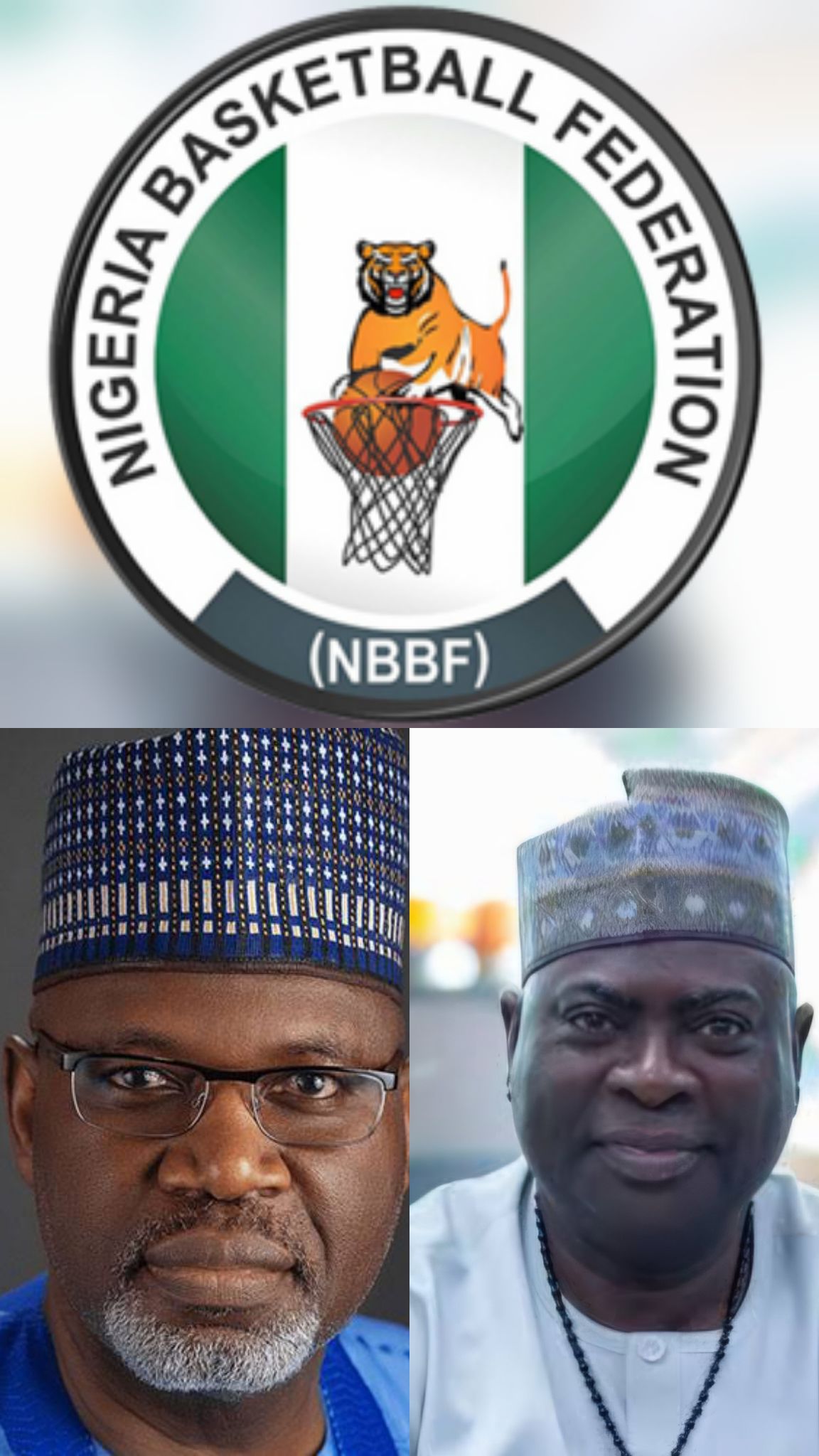
Among the candidates attracting attention are Dr Abdullahi Mustapha-DAM (1st Picture below), Olumide Oyedeji (2nd picture below) and Mark D Ball founder, Igoche Mark (last image).


THE ALLEGATIONS OF INFLUENCE
Concerns have been raised in some quarters that Dr Abdullahi Mustapha DAM enjoys the backing of the outgoing NBBF leadership (Engr Musa Kida) and could emerge as a preferred successor.
Critics question whether such an arrangement if established, could compromise the independence of the next administration, particularly when it comes to reviewing the federation's activities, decisions and administrative record.
The concern is that a change in leadership may leave existing structures untouched. Questions have also emerged over FIBA Zone 3 President Colonel Sam Ahmedu’s influence on Olumide Oyedeji’s presidential ambition, raising concerns about candidates’ ability to exercise independent judgment.
While such allegations require evidence and responses from those concerned, the broader issue remains: Nigerian basketball needs leadership that prioritises institutional independence, transparent governance and stakeholders’ interests over personal alliances.
THE DANGER OF PERPETUATING GODFATHERISM
The danger of godfatherism goes beyond influential individuals backing candidates; it lies in the possibility that such support creates obligations that compromise independent leadership. An NBBF president must be accountable to the federation, its constitution, its members and the wider basketball community not to political allies or those who helped secure electoral victory.
When a president cannot independently scrutinise a predecessor’s decisions, challenge influential interests or make appointments based on merit rather than loyalty, the federation risks becoming captive to personalities instead of serving the game.
The consequences affect everyone, from players, coaches and referees to clubs, state associations, sponsors and supporters. The true test of leadership is not who helps a candidate attain office, but whether that candidate can govern independently and put Nigerian basketball above the interests of those who helped them get there.
IGOCHE MARK AND THE CASE FOR INDEPENDENT LEADERSHIP
In the ongoing conversation about the future of Nigerian basketball, Igoche Mark presents an alternative worth serious consideration.
As the founder of Mark D Ball and an active participant in the Nigerian basketball ecosystem, Mark has spent approximately 15 years contributing to the development and visibility of the game. His involvement has helped establish his presence within a basketball community that continues to demand more opportunities, stronger structures and better pathways for players and other stakeholders.
However, beyond his experience and involvement in basketball development, what makes his candidacy particularly relevant to the current conversation is the question of independence.
Nigerian basketball needs a president who can make decisions based on what is right for the game, rather than what is convenient for powerful individuals or political interests.
Mark's perceived unwillingness to be a lapdog to any individual or interest group is central to the argument for his candidacy. The presidency requires someone who can listen to stakeholders, engage influential figures and build partnerships without surrendering their judgment or becoming an instrument of another person's ambitions.
This distinction matters.
Independence means listening to different perspectives while making decisions in the best interests of the game, regardless of whose interests are challenged. Players, coaches, referees, clubs, state associations and young athletes deserve a system that prioritises their development over personal ambitions.
Ultimately, Mark must demonstrate his independence through his actions and accountability. No candidate should be beyond scrutiny, but Nigerian basketball needs leadership capable of serving its stakeholders without fear, favour or external control.
NIGERIAN BASKETBALL NEEDS INSTITUTIONS, NOT STRONGMEN.
The NBBF presidential race should be about more than personalities and competing interests. The focus must be on what Nigerian basketball stands to gain, including transparent financial reporting, stakeholder inclusion, better development opportunities for coaches and officials, and professionally organised, commercially viable competitions.
The next president must understand that the office is bigger than the individual. Leadership should be measured by stronger institutions, improved opportunities for athletes across all age grades and regions, and a system where constructive criticism is welcomed rather than treated as disloyalty.
Nigerian basketball needs a federation that builds meaningful partnerships with government, sponsors and development organisations while protecting its independence and remaining accountable to the stakeholders it serves.
THE DECISION BEFORE NIGERIAN BASKETBALL
Ultimately, the responsibility rests with the delegates, who must look beyond endorsements, alliances and personal interests to assess each candidate’s record, independence and plans for Nigerian basketball. Addressing concerns about godfatherism requires leadership committed to the game rather than indebted to those who may have supported its emergence.
Igoche Mark’s experience in the basketball ecosystem and perceived independence bring a different perspective to the leadership conversation. However, the true measure of any presidency must be its ability to strengthen institutions, improve governance and create better opportunities for athletes and other stakeholders.
The NBBF presidency must be about more than personalities or preserving existing power structures. The task before the delegates is to help build a federation that prioritises Nigerian basketball, serves its stakeholders and holds its leadership accountable.
That is the standard Nigerian basketball should demand of its next leader.
ASIO is watching.
Sources & References
- In-house Correspondence
Disclaimer
ASIO publishes information for public interest, research, and educational purposes. Allegations reported are not determinations of guilt. All individuals and organizations are presumed innocent until proven otherwise by a competent legal authority.