We Legalized the Bet. College Basketball Is Paying the Price
The latest gambling indictment tied to college basketball is not an isolated scandal but a predictable outcome of the widespread legalization of sports betting in the United States
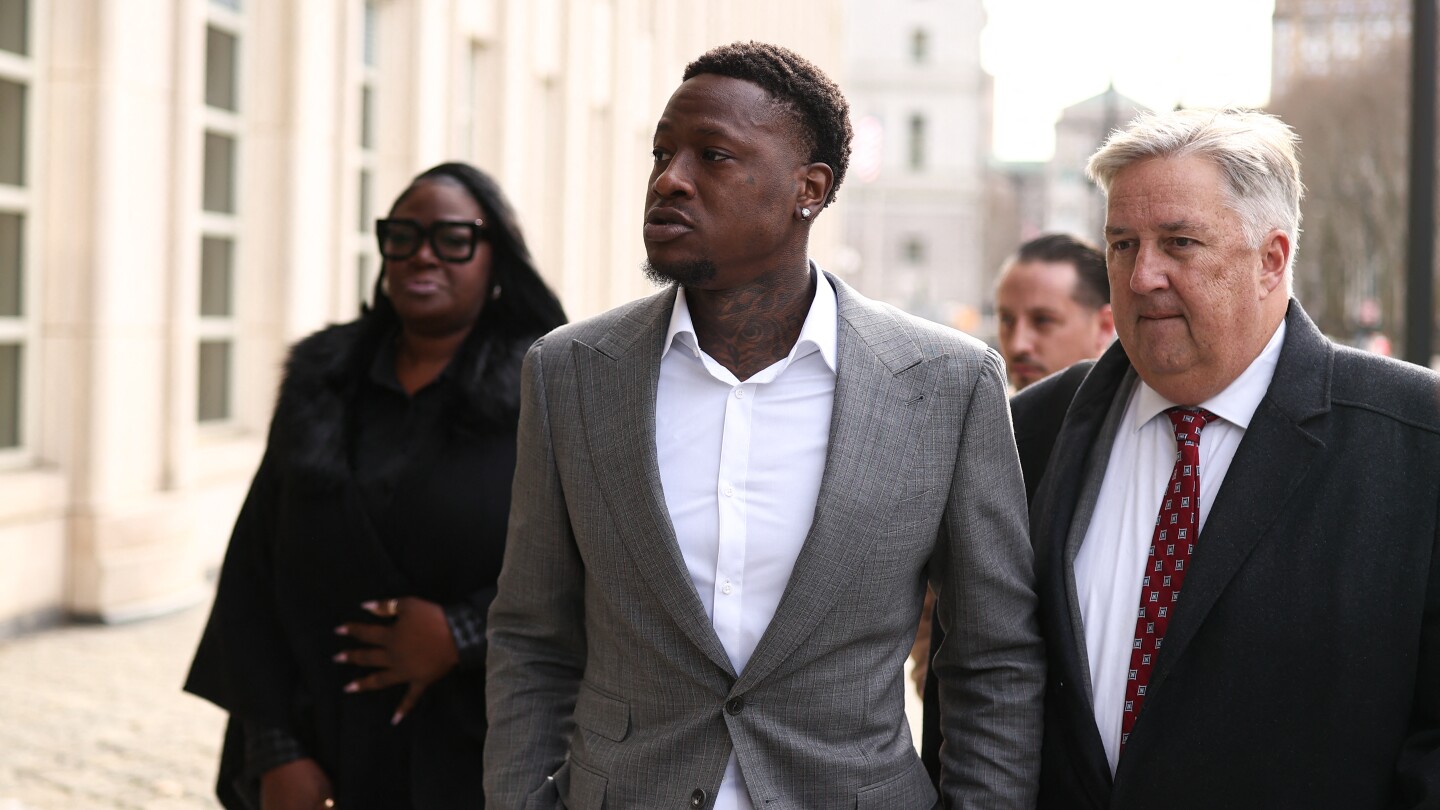
The release of a 70-page gambling indictment tied to college basketball delivers a familiar but uncomfortable conclusion: this scandal is not an accident. While individual players and bettors are accused of fixing games and placing suspicious wagers, the broader conditions that allowed it to happen were created deliberately.
As a society, we opened the door to widespread legal sports gambling and this is part of what walked through it.
When the U.S. Supreme Court struck down the Professional and Amateur Sports Protection Act nearly eight years ago, the move was widely celebrated. Legal sports betting expanded rapidly beyond Nevada into 39 states, framed as a victory for freedom, common sense and regulation.
What followed, however, was a saturation of sportsbook advertising, frictionless mobile betting, and an environment where gambling became omnipresent especially for young and financially vulnerable audiences.
The consequences have been predictable. A generation of gamblers ill-prepared for losses, increased harassment of athletes by bettors, and the emergence of organized efforts to exploit players all followed.
The college basketball scandal unveiled this is the latest in a growing line of U.S. gambling-related cases, reinforcing the reality that easy access to betting inevitably produces abuse.
College sports, particularly basketball, are uniquely exposed. The sport is popular enough for sportsbooks to profit from low-profile games and player props, yet many athletes especially at smaller programs, earn little or nothing from name, image and likeness deals. That imbalance creates opportunity for fixers targeting players who feel overlooked and underpaid.
According to the indictment, alleged match-fixers first operated overseas before focusing on athletes at lesser-known U.S. schools, including Nicholls State, Fordham, DePaul, Southern Miss and others. Prosecutors say the scheme often centered on first-half betting lines, lowering the ethical barrier for participation while avoiding scrutiny.
In total, 29 games across two seasons were compromised. Defenders of legalized gambling argue the system worked as intended. Unusual betting patterns were flagged, investigations launched, and 20 individuals including a former NBA player, were charged.
The alternative, they argue, is a return to an unregulated black market where misconduct is harder to detect. That debate remains unresolved, especially given that match-fixing long predates legalization.
What is clear, however, is that this will not be the last such case. As long as sports gambling remains widely available, scandals will surface. Efforts to limit college prop bets and stronger deterrents may help, but the fundamental reality remains unchanged: these are the consequences of choices made collectively.
We wanted legal sports gambling. We got it and now college basketball is paying part of the price.
Source: sports.yahoo.com
Sources & References
Disclaimer
ASIO publishes information for public interest, research, and educational purposes. Allegations reported are not determinations of guilt. All individuals and organizations are presumed innocent until proven otherwise by a competent legal authority.